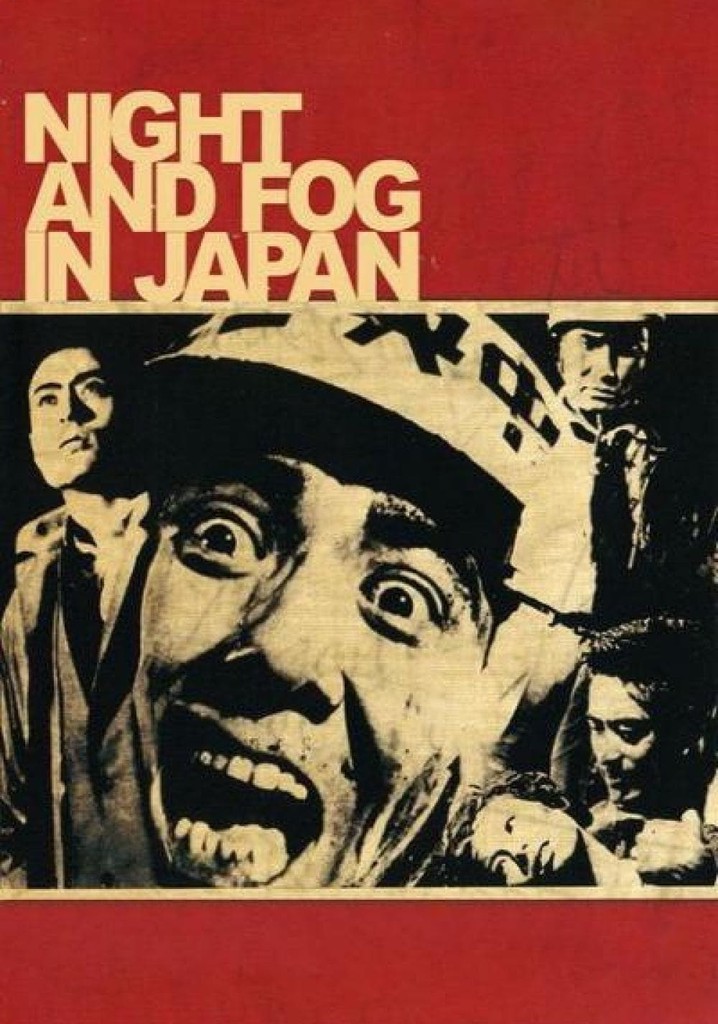
Where to Watch 日本の夜と霧 (1960)
 N/A
N/A N/A
N/AOverall Rating: Not Graded
Drama
Recommend
Watchlist
Watched
Click to Watch
FREE
SUB
RENT
BUY
THEA
Summary
Nagisa Oshima’s most personal film is a reflection by the director on his own disillusionment with the revolutionary student movement of the 1950s and the failure of political radicalism. Taking its title (as a reference or homage) from Alain Resnais’ pivotal 1956 documentary Nuit et Brouillard, the film has a group of former student revolutionaries who meet again years later at the wedding of one of their classmates. Old feelings, rivalries and grudges gradually erupt to the surface as the one-time friends recall the various treacheries by which their cause was defeated. Cutting between times past and the present, and unfolding the action from each of his characters viewpoints, Oshima creates an abstract and yet engrossing study of passions past and principles eroded. —Yume Pictures
Where to Watch 日本の夜と霧
Use Gatsby to find where to watch 日本の夜と霧 (1960) online. This movie page brings together streaming availability, cast details, ratings, and related discovery links in one place.
Watch now options for streaming, rental, and purchase are shown when current availability data is available for your region.
Frequently Asked Questions
Where can I watch 日本の夜と霧?
Gatsby shows where to watch 日本の夜と霧 online, including streaming, rental, and purchase options when availability data is listed for your region.
Is 日本の夜と霧 available to stream?
Streaming availability for 日本の夜と霧 is shown when Gatsby has current provider data.
Who is in the cast of 日本の夜と霧?
The cast section includes Miyuki Kuwano, Masahiko Tsugawa, Kei Satō, and more, with links to Gatsby cast and filmography pages.
What movies or shows are similar to 日本の夜と霧?
Use the related titles, genre links, and browse pages on Gatsby to find more movies and shows like 日本の夜と霧.
Cast
Episodes
Loading collections...
日本の夜と霧
Drama,
Romance
Nagisa Oshima’s most personal film is a reflection by the director on his own disillusionment with the revolutionary student movement of the 1950s and the failure of political radicalism. Taking its title (as a reference or homage) from Alain Resnais’ pivotal 1956 documentary Nuit et Brouillard, the film has a group of former student revolutionaries who meet again years later at the wedding of one of their classmates. Old feelings, rivalries and grudges gradually erupt to the surface as the one-time friends recall the various treacheries by which their cause was defeated. Cutting between times past and the present, and unfolding the action from each of his characters viewpoints, Oshima creates an abstract and yet engrossing study of passions past and principles eroded. —Yume Pictures
Cast
Episodes
Where to Watch 日本の夜と霧
Use Gatsby to find where to watch 日本の夜と霧 (1960) online. This movie page brings together streaming availability, cast details, ratings, and related discovery links in one place.
Watch now options for streaming, rental, and purchase are shown when current availability data is available for your region.
Frequently Asked Questions
Where can I watch 日本の夜と霧?
Gatsby shows where to watch 日本の夜と霧 online, including streaming, rental, and purchase options when availability data is listed for your region.
Is 日本の夜と霧 available to stream?
Streaming availability for 日本の夜と霧 is shown when Gatsby has current provider data.
Who is in the cast of 日本の夜と霧?
The cast section includes Miyuki Kuwano, Masahiko Tsugawa, Kei Satō, and more, with links to Gatsby cast and filmography pages.
What movies or shows are similar to 日本の夜と霧?
Use the related titles, genre links, and browse pages on Gatsby to find more movies and shows like 日本の夜と霧.
Gatsby Users' Rating
1,632 users

N/A

N/A

6.8

N/A
Click to Watch
FREE
SUB
RENT
BUY
THEA
Episodes
Gatsby Users' Rating
0 reviews
N/A
N/A
6.8
N/A
Loading collections...


