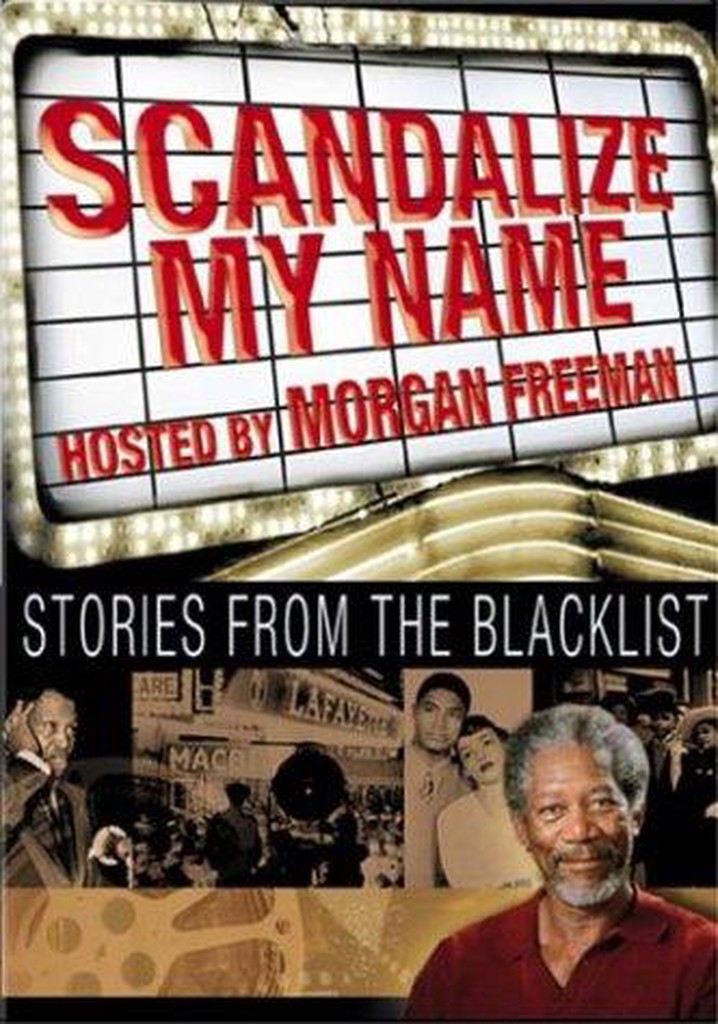
Where to Watch Scandalize My Name: Stories from the Blacklist (1999)
 N/A
N/A N/A
N/AOverall Rating: Not Graded
Documentary
Recommend
Watchlist
Watched
Click to Watch

FREE
No free options
SUB

RENT

BUY
THEA
No in theater options
Summary
A documentary look at the confluence of the Red scare, McCarthyism, and blacklists with the post-war activism by African Americans seeking more and better roles on radio, television, and stage. It begins in Harlem, measures the impact of Paul Robeson and the campaign to bring him down, looks at the role of HUAC, J. Edgar Hoover and of journalists such as Ed Sullivan, and ends with a tribute to Canada Lee. Throughout are interviews with men and women who were there, including Dick Campbell of the Rose McLendon Players and Fredrick O'Neal of the American Negro Theatre. In the 1940s and 1950s, anti-Communism was one more tool to maintain Jim Crow and to keep down African-Americans.
Where to Watch Scandalize My Name: Stories from the Blacklist
Use Gatsby to find where to watch Scandalize My Name: Stories from the Blacklist (1999) online. This movie page brings together streaming availability, cast details, ratings, and related discovery links in one place.
Watch now by comparing streaming, rental, and purchase options from Prime Video, Apple TV+, Hoopla where they are currently listed for your region.
Frequently Asked Questions
Where can I watch Scandalize My Name: Stories from the Blacklist?
Gatsby shows where to watch Scandalize My Name: Stories from the Blacklist online, including streaming, rental, and purchase options when availability data is listed for your region.
Is Scandalize My Name: Stories from the Blacklist available to stream?
Scandalize My Name: Stories from the Blacklist may be available through Prime Video, Apple TV+, Hoopla where those providers are listed.
Who is in the cast of Scandalize My Name: Stories from the Blacklist?
The cast section includes Sidney Poitier, Morgan Freeman, Rosetta LeNoire, and more, with links to Gatsby cast and filmography pages.
What movies or shows are similar to Scandalize My Name: Stories from the Blacklist?
Use the related titles, genre links, and browse pages on Gatsby to find more movies and shows like Scandalize My Name: Stories from the Blacklist.
Cast
Episodes
Loading collections...
Scandalize My Name: Stories from the Blacklist
Documentary
A documentary look at the confluence of the Red scare, McCarthyism, and blacklists with the post-war activism by African Americans seeking more and better roles on radio, television, and stage. It begins in Harlem, measures the impact of Paul Robeson and the campaign to bring him down, looks at the role of HUAC, J. Edgar Hoover and of journalists such as Ed Sullivan, and ends with a tribute to Canada Lee. Throughout are interviews with men and women who were there, including Dick Campbell of the Rose McLendon Players and Fredrick O'Neal of the American Negro Theatre. In the 1940s and 1950s, anti-Communism was one more tool to maintain Jim Crow and to keep down African-Americans.
Cast
Episodes
Where to Watch Scandalize My Name: Stories from the Blacklist
Use Gatsby to find where to watch Scandalize My Name: Stories from the Blacklist (1999) online. This movie page brings together streaming availability, cast details, ratings, and related discovery links in one place.
Watch now by comparing streaming, rental, and purchase options from Prime Video, Apple TV+, Hoopla where they are currently listed for your region.
Frequently Asked Questions
Where can I watch Scandalize My Name: Stories from the Blacklist?
Gatsby shows where to watch Scandalize My Name: Stories from the Blacklist online, including streaming, rental, and purchase options when availability data is listed for your region.
Is Scandalize My Name: Stories from the Blacklist available to stream?
Scandalize My Name: Stories from the Blacklist may be available through Prime Video, Apple TV+, Hoopla where those providers are listed.
Who is in the cast of Scandalize My Name: Stories from the Blacklist?
The cast section includes Sidney Poitier, Morgan Freeman, Rosetta LeNoire, and more, with links to Gatsby cast and filmography pages.
What movies or shows are similar to Scandalize My Name: Stories from the Blacklist?
Use the related titles, genre links, and browse pages on Gatsby to find more movies and shows like Scandalize My Name: Stories from the Blacklist.
Gatsby Users' Rating
1,632 users

N/A

N/A

8.1

N/A
Click to Watch
FREE
No free options
SUB
RENT
BUY
THEA
No in theater options
Episodes
Gatsby Users' Rating
0 reviews
N/A
N/A
8.1
N/A
Loading collections...


