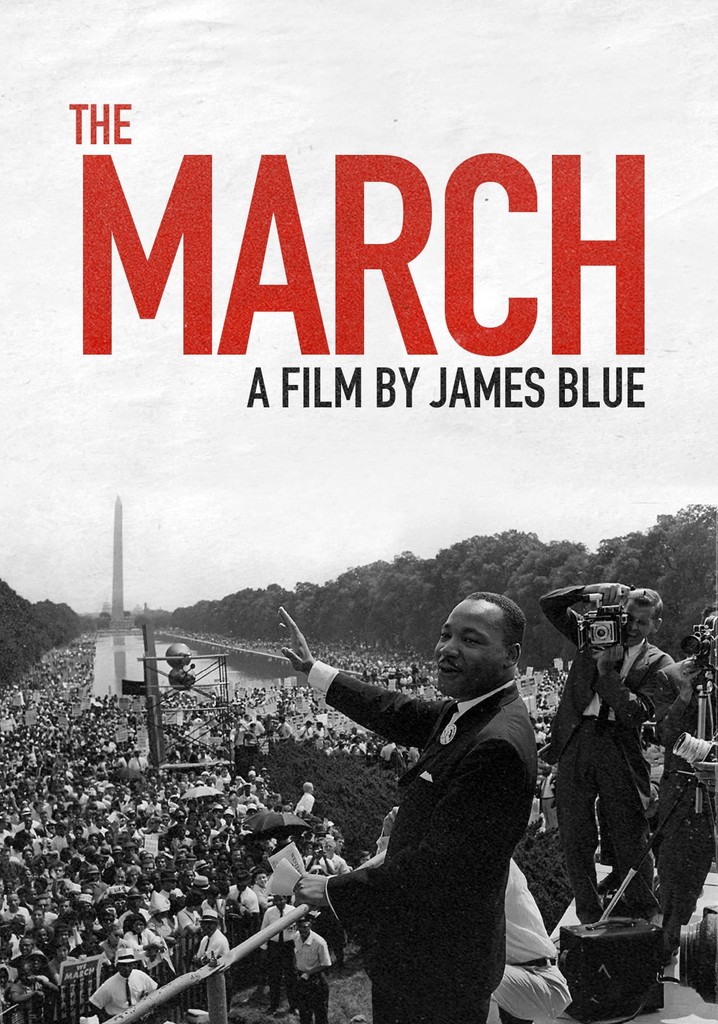
Where to Watch The March (1964)
 N/A
N/A N/A
N/AOverall Rating: 6.9
Comedy
Recommend
Watchlist
Watched unavailable
Click to Watch
FREE
SUB
RENT
BUY
THEA
Summary
The March, also known as The March to Washington, is a 1964 documentary film by James Blue about the 1963 civil rights March on Washington. It was made for the Motion Picture Service unit of the United States Information Agency for use outside the United States – the 1948 Smith-Mundt Act prevented USIA films from being shown domestically without a special act of Congress. In 1990 Congress authorized these films to be shown in the U.S. twelve years after their initial release. In 2008, the film was selected for preservation in the United States National Film Registry by the Library of Congress as being "culturally, historically, or aesthetically significant". (Wikipedia)
Where to Watch The March
Use Gatsby to find where to watch The March (1964) online. This movie page brings together streaming availability, cast details, ratings, and related discovery links in one place.
Watch now options for streaming, rental, and purchase are shown when current availability data is available for your region.
Frequently Asked Questions
Where can I watch The March?
Gatsby shows where to watch The March online, including streaming, rental, and purchase options when availability data is listed for your region.
Is The March available to stream?
Streaming availability for The March is shown when Gatsby has current provider data.
Who is in the cast of The March?
The cast section includes John Lewis, Martin Luther King Jr., Carl Rowan, and more, with links to Gatsby cast and filmography pages.
What movies or shows are similar to The March?
Use the related titles, genre links, and browse pages on Gatsby to find more movies and shows like The March.
Cast
Episodes
Loading collections...
The March
Comedy,
Documentary
The March, also known as The March to Washington, is a 1964 documentary film by James Blue about the 1963 civil rights March on Washington. It was made for the Motion Picture Service unit of the United States Information Agency for use outside the United States – the 1948 Smith-Mundt Act prevented USIA films from being shown domestically without a special act of Congress. In 1990 Congress authorized these films to be shown in the U.S. twelve years after their initial release. In 2008, the film was selected for preservation in the United States National Film Registry by the Library of Congress as being "culturally, historically, or aesthetically significant". (Wikipedia)
Cast
Episodes
Where to Watch The March
Use Gatsby to find where to watch The March (1964) online. This movie page brings together streaming availability, cast details, ratings, and related discovery links in one place.
Watch now options for streaming, rental, and purchase are shown when current availability data is available for your region.
Frequently Asked Questions
Where can I watch The March?
Gatsby shows where to watch The March online, including streaming, rental, and purchase options when availability data is listed for your region.
Is The March available to stream?
Streaming availability for The March is shown when Gatsby has current provider data.
Who is in the cast of The March?
The cast section includes John Lewis, Martin Luther King Jr., Carl Rowan, and more, with links to Gatsby cast and filmography pages.
What movies or shows are similar to The March?
Use the related titles, genre links, and browse pages on Gatsby to find more movies and shows like The March.
Gatsby Users' Rating
1,632 users

N/A

N/A

6.9

85
Click to Watch
FREE
SUB
RENT
BUY
THEA
Episodes
Gatsby Users' Rating
0 reviews
N/A
N/A
6.9
85
Loading collections...